
Breaking Common Painting Myths: What You Really Need to Know

Understanding the Basics
Painting is one of those home improvement tasks that many people assume is straightforward. However, several myths surround this seemingly simple activity. Understanding the basics can save you time, money, and effort. By debunking these myths, you can ensure a smoother painting experience.
A common misconception is that all paints are the same. In reality, paint quality varies widely. Investing in high-quality paint can make a significant difference in the finish and longevity of your project. Cheaper paints may require more coats, ultimately increasing the cost and time involved.

Myth: Primer Is Optional
Many believe primer is an unnecessary step, but skipping it can lead to disappointing results. Primer helps in covering existing colors and stains, providing a uniform base for your new paint. It also enhances paint adhesion, reducing the chances of peeling and chipping.
Using a primer is especially important when painting over a dark color with a lighter shade. Without it, you might end up applying multiple coats of paint, which can be both time-consuming and costly.
Myth: More Coats Mean Better Coverage
Another myth is that more coats always ensure better coverage. While additional coats might be necessary for certain colors or surfaces, using the right quality paint can often reduce the number of coats required. The key is to follow the manufacturer's recommendations and allow each coat to dry completely before applying the next.
Overloading your brush or roller with paint can lead to drips and a messy finish. Instead, apply thin, even coats for a more professional look.

Myth: Any Brush or Roller Will Do
Choosing the right brush or roller is crucial for achieving a smooth finish. Different brushes and rollers are designed for specific surfaces and types of paint. For example, a high-density foam roller is ideal for smooth surfaces, while a thicker nap roller works better on textured walls.
Investing in good quality brushes and rollers can make a noticeable difference in the final outcome. They provide better paint distribution and reduce the appearance of brush strokes.

Myth: Paint Is Only for Walls
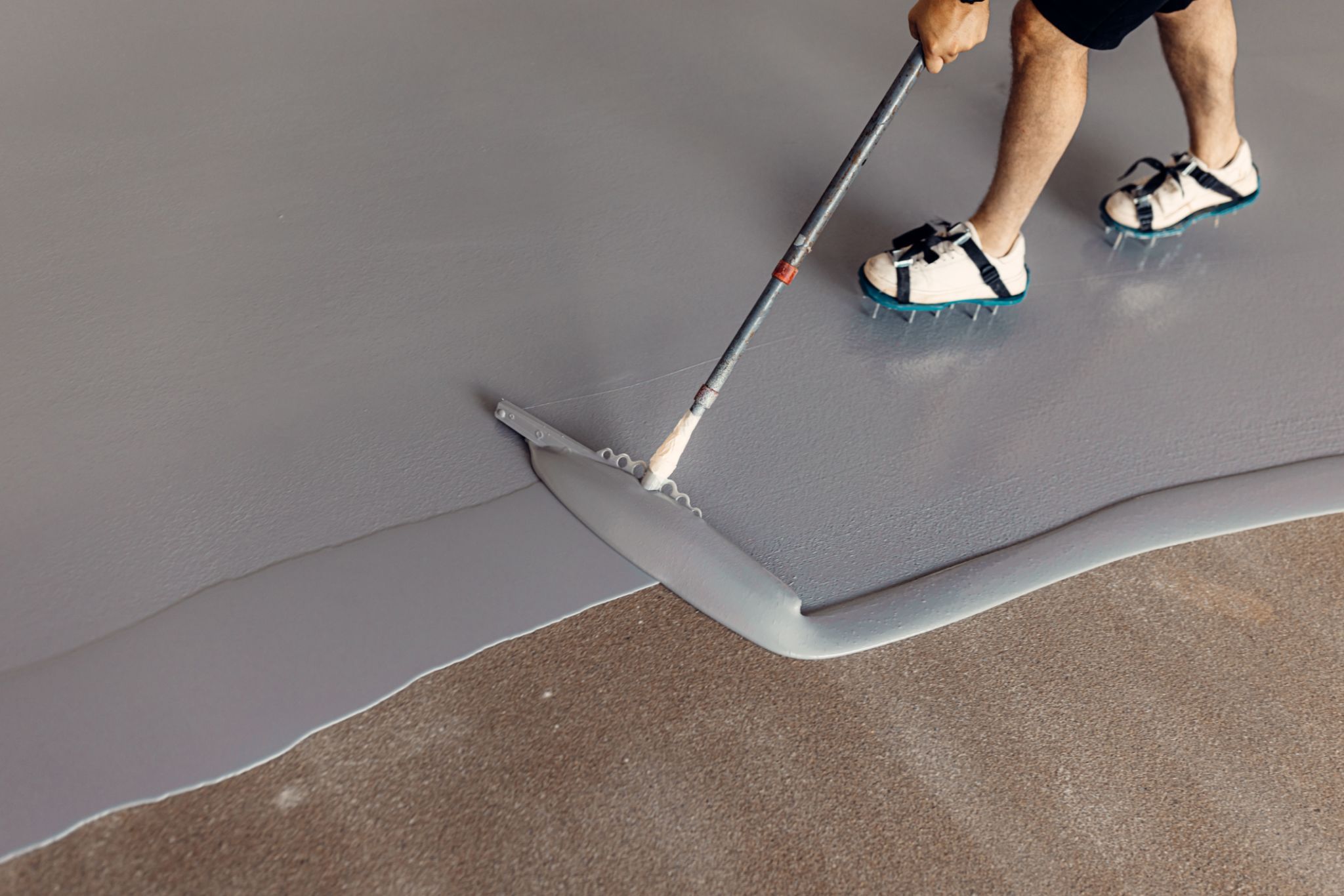
While walls are the most common surfaces to paint, don't limit your creativity. Paint can transform furniture, cabinets, and even floors. Using paint creatively can give your space a fresh, updated look without the need for a complete renovation.
Before painting non-wall surfaces, ensure they are properly prepped and primed. This will help the paint adhere better and last longer.

Conclusion
Breaking free from common painting myths can lead to better results and a more enjoyable painting experience. By choosing the right materials and techniques, you can achieve a professional finish that enhances your living space. Remember, preparation and quality materials are key to a successful painting project.
With these insights, you're now better equipped to tackle your next painting endeavor with confidence and efficiency.