
Case Study: Revamping a Historic Brandon Home with Modern Paint Techniques

Introduction
Revamping a historic home can be both a challenging and rewarding experience. In this case study, we explore how a historic Brandon home was transformed using modern paint techniques. The goal was to preserve the home's rich history while infusing a fresh and contemporary feel. Let's delve into the process and outcomes of this exciting project.
Understanding the Home's History
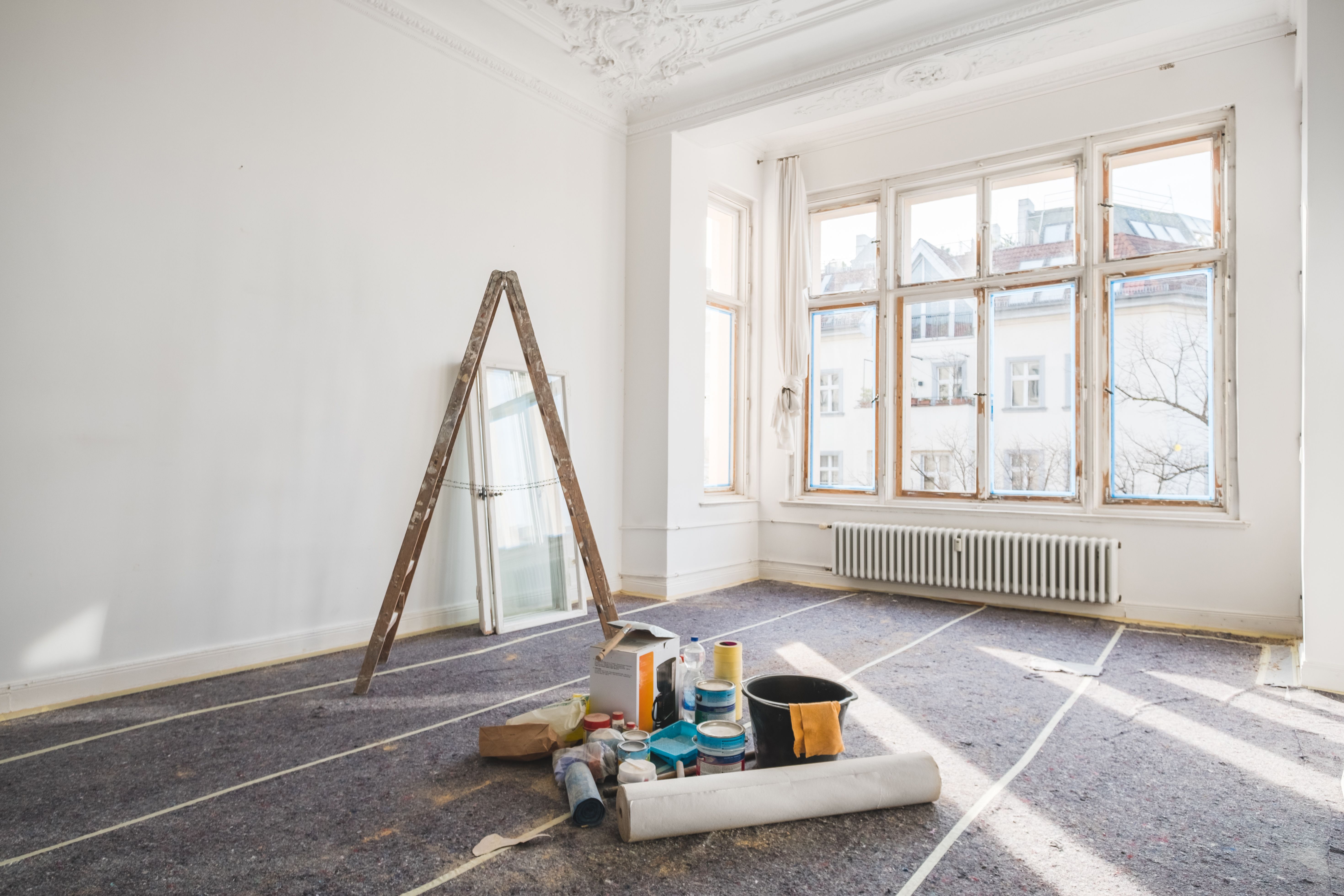
The Brandon home, built in the late 1800s, holds a significant place in the community's heritage. It was essential to maintain its architectural integrity while introducing a modern touch. This required a careful selection of colors and techniques that aligned with the home's original design.
Researching the home's history was the first crucial step. This involved examining old photographs, architectural plans, and consulting with local historians to ensure that the new paint choices would honor the past.
Choosing the Right Colors
A critical aspect of this project was selecting colors that would enhance the home's historic charm while adding a modern flair. The chosen palette included soft grays, muted blues, and warm whites. These colors provided a subtle contrast that highlighted the home's intricate woodwork and unique features.
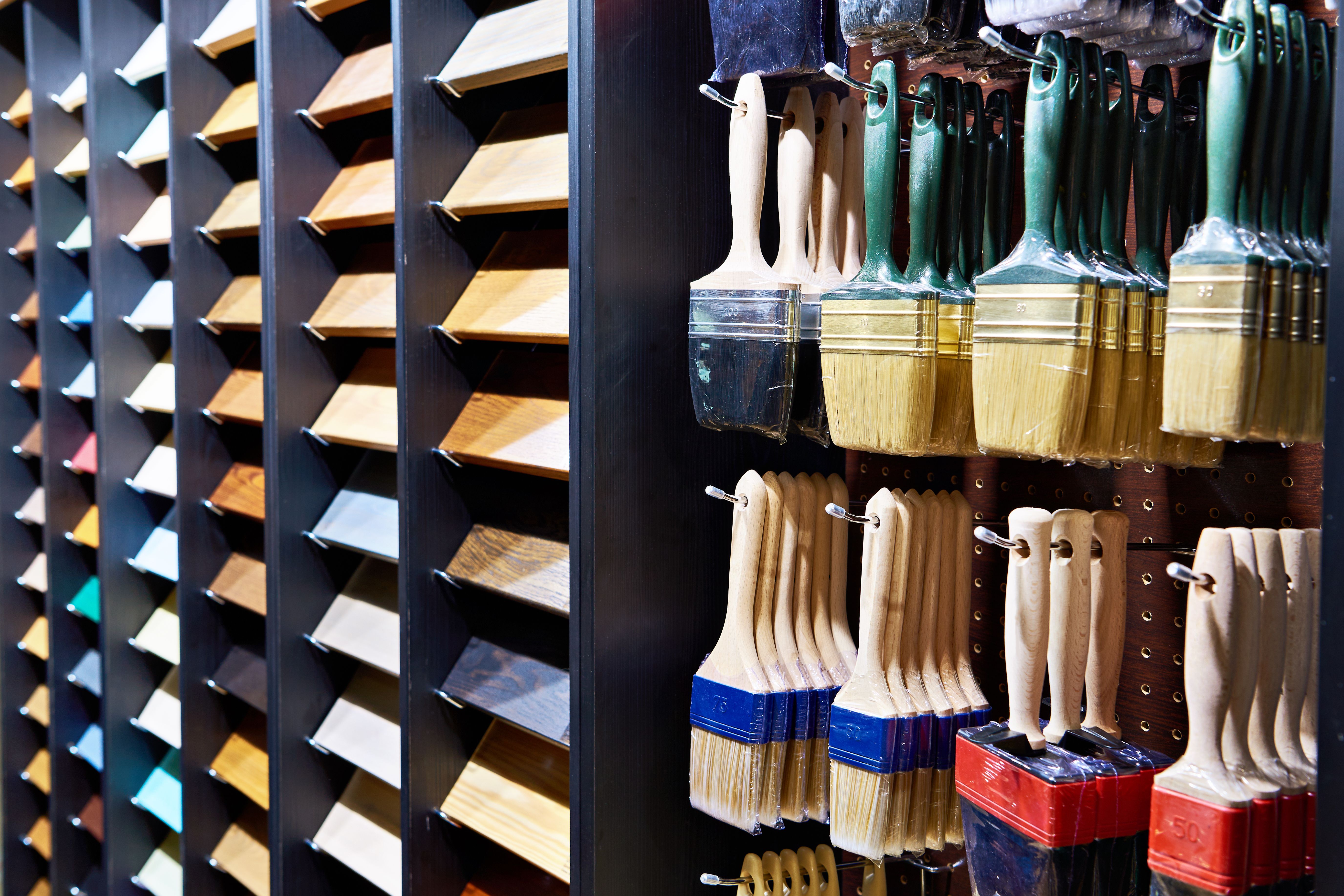
The color selection process involved testing various shades in different lighting conditions. This ensured that the final choices would look stunning at all times of the day, enhancing the home's aesthetic appeal.
Modern Paint Techniques
To achieve a flawless finish, modern paint techniques were employed. These included:
- Spray painting: This technique allowed for smooth and even coverage, particularly on the home's ornate woodwork.
- Layering: Multiple layers of paint were applied to achieve depth and richness in color.
- Texturing: Subtle texturing techniques added dimension and interest to the walls, enhancing the overall visual appeal.
Challenges and Solutions
Revamping a historic home is not without its challenges. One significant challenge was preserving the delicate woodwork and original features. Careful preparation, including sanding and priming, was essential to protect these elements.
Additionally, matching the new paint with older, faded sections required meticulous color matching and blending. This attention to detail ensured a seamless transition between old and new.
Community Impact
The transformation of the Brandon home had a positive impact on the local community. Neighbors and visitors alike have praised the revitalized look, which respects the past while embracing modern aesthetics. This project has inspired other homeowners to consider similar updates, further enhancing the neighborhood's appeal.

Conclusion
This case study highlights the power of modern paint techniques in revamping historic homes. By carefully selecting colors and employing advanced methods, it's possible to breathe new life into cherished landmarks while preserving their historical significance. The Brandon home's transformation serves as a testament to the beauty and potential of blending the old with the new.