
Common Mistakes in DIY Interior Painting and How to Avoid Them

Introduction to DIY Interior Painting
Painting your own walls can be a rewarding and cost-effective way to refresh your home. However, many DIY enthusiasts fall into common pitfalls that can lead to less-than-perfect results. Understanding these mistakes and how to avoid them is crucial for a successful project.
Whether you're a seasoned DIYer or a first-timer, knowing what to watch out for can save you time, money, and effort.
Choosing the Wrong Paint
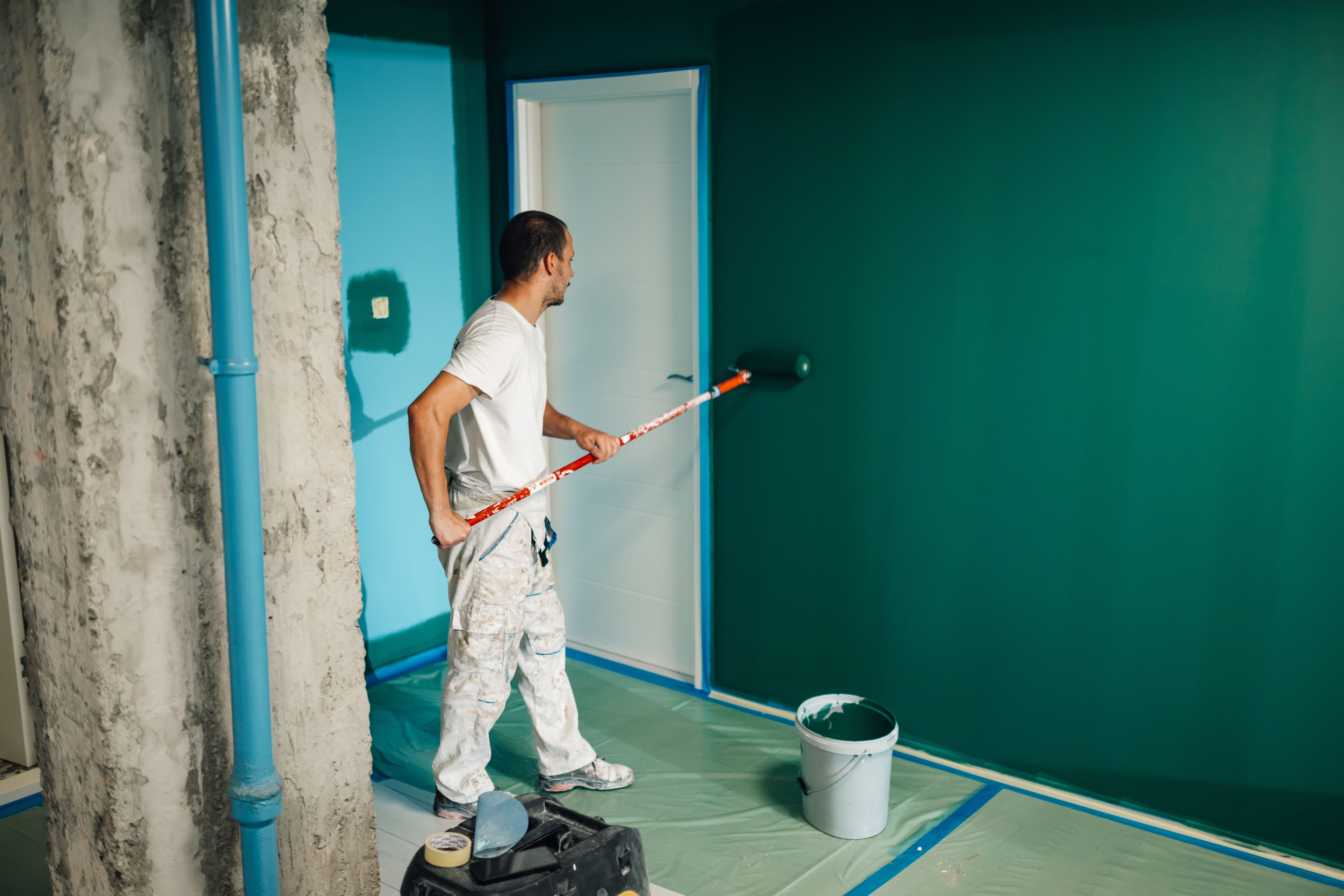
One of the most frequent mistakes is selecting the wrong type of paint. Different rooms require different types of paint finishes. For instance, bathrooms and kitchens benefit from a more moisture-resistant paint, while living rooms can use a matte finish for a cozy feel.
How to Avoid: Always consider the room's purpose and conditions. Consult with a professional or research the best type of paint for each room in your home.
Improper Surface Preparation
Failing to properly prepare the surface is another common error. Dirty, uneven, or peeling surfaces can prevent paint from adhering properly, leading to a patchy finish.
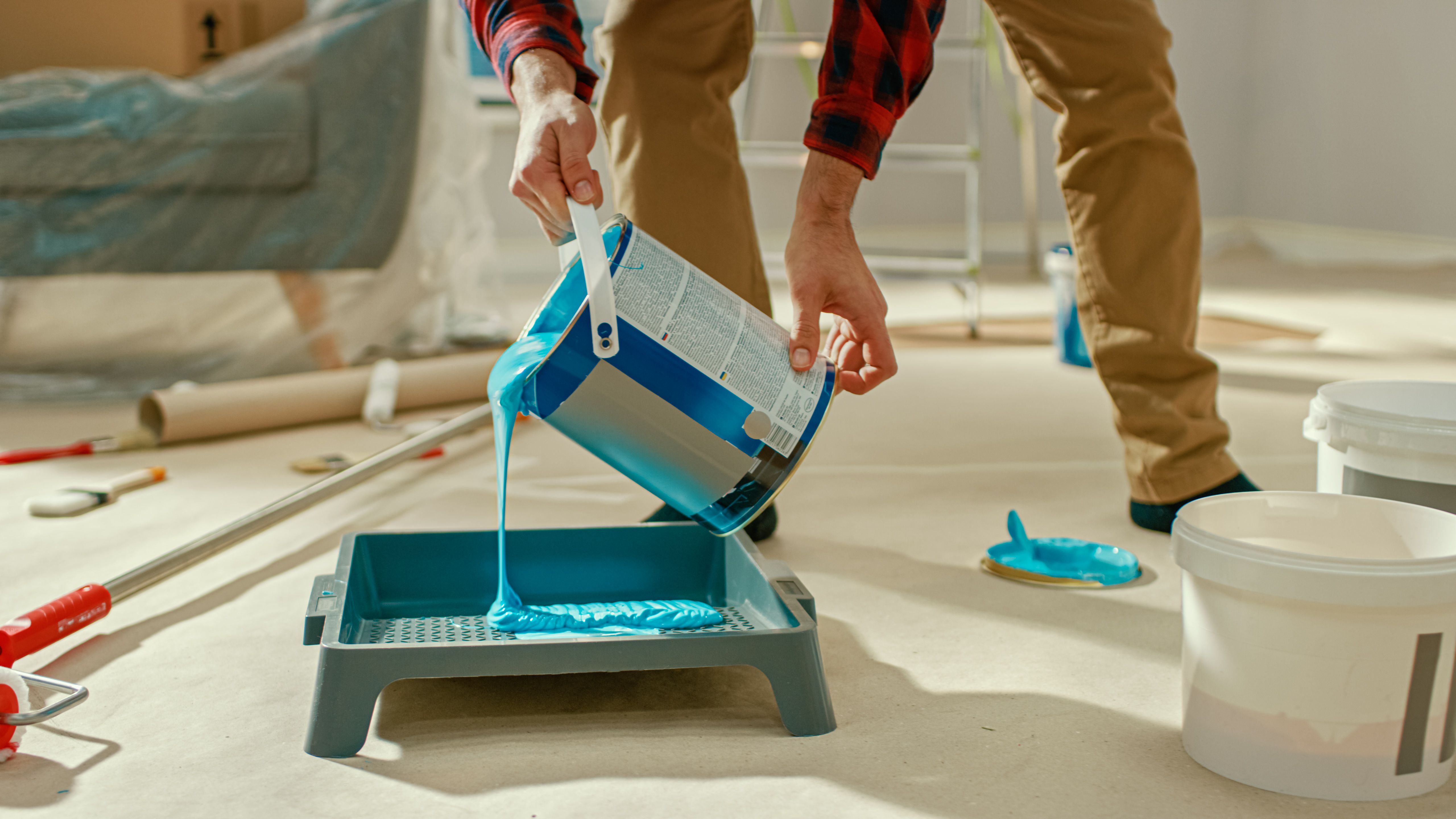
How to Avoid: Clean the walls thoroughly, repair any damage, and sand down uneven areas. Applying a primer can also help the paint adhere better and last longer.
Skipping the Test Swatch
Colors can look different once applied to a large surface and under different lighting conditions. Skipping a test swatch often leads to disappointment with the final result.
How to Avoid: Paint a small section of the wall and observe it at different times of the day to see how the color changes with the light. This step can help ensure that you love the color before committing to it.
Using the Wrong Tools
The right tools can make a significant difference in the quality of your paint job. Using the wrong brushes or rollers can lead to streaks and uneven coverage.
How to Avoid: Invest in good-quality brushes and rollers that are appropriate for the type of paint you are using. For example, use a roller with a thicker nap for textured walls.
Overloading the Brush or Roller
Applying too much paint at once can cause drips and uneven layers. It can also lead to wasting paint.
How to Avoid: Dip the brush or roller lightly into the paint and remove excess by tapping it against the side of the can. Apply thin, even coats for the best results.
Neglecting Safety Measures
Painting might seem like a harmless task, but neglecting safety can lead to accidents. From falling off ladders to inhaling paint fumes, there are risks involved.

How to Avoid: Use ladders safely, work in well-ventilated areas, and wear protective gear such as masks and goggles. Taking these precautions can help you avoid unnecessary hazards.
Conclusion
DIY interior painting can be a fulfilling project when done correctly. By avoiding these common mistakes, you can achieve a professional-looking finish and enjoy the process. Remember, preparation and patience are key to a successful paint job.