
Common Myths About Drywall Repair and Painting Debunked

Introduction
When it comes to home improvement, drywall repair and painting are common tasks that many homeowners encounter. However, there are several myths surrounding these activities that often lead to confusion. In this post, we'll debunk some of the most common myths to help you approach your next project with confidence.
Myth 1: Drywall Repair Is Easy and Quick
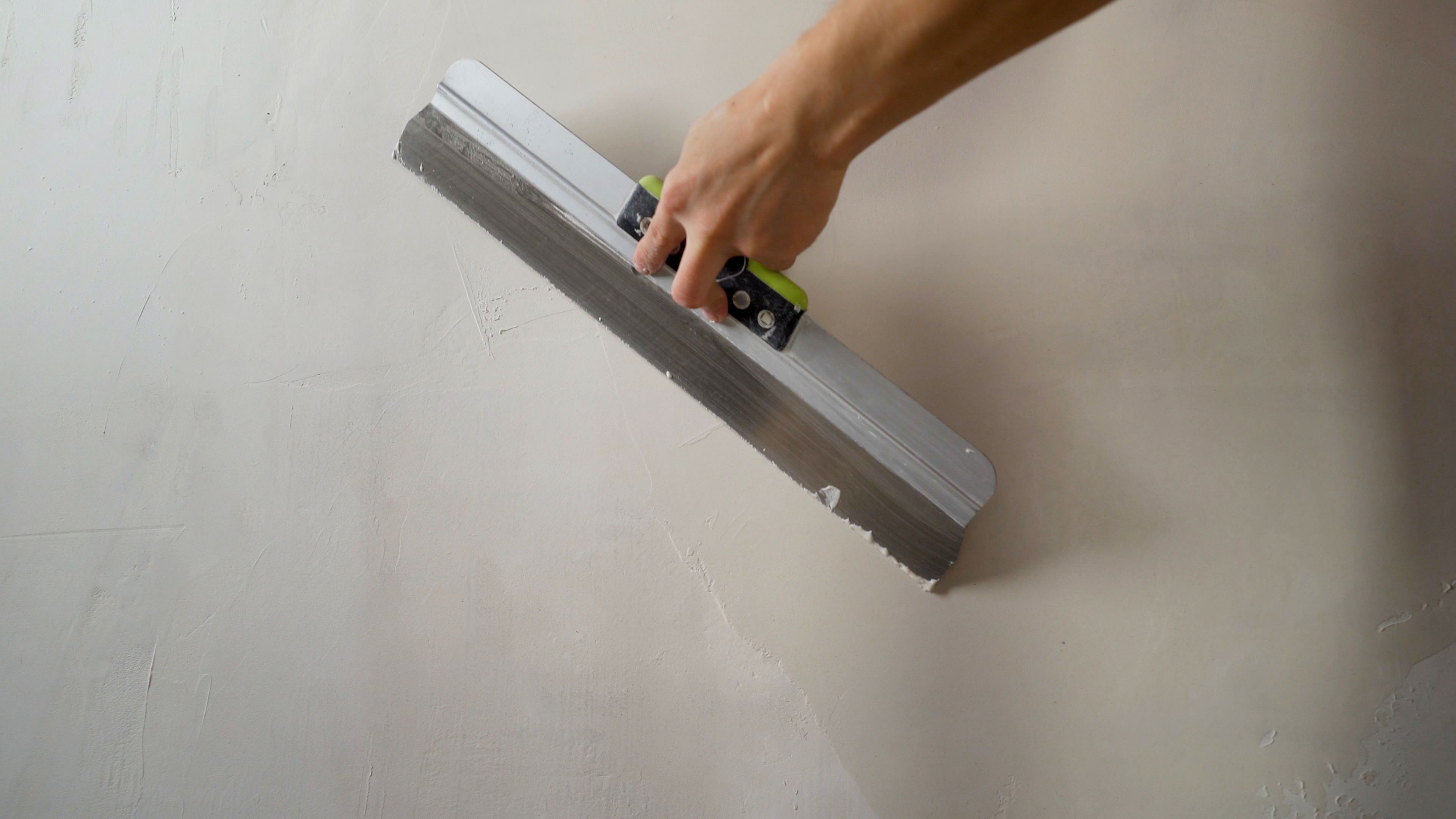
Many people believe that drywall repair is a simple, quick task. While minor repairs might be manageable, larger issues require skill and patience. Properly repairing drywall involves cutting, measuring, taping, and sanding to ensure a smooth finish. Rushing through the process can lead to a less-than-perfect result.
Understanding the Process
It's important to understand the steps involved in drywall repair. This process includes:
- Assessing the damage
- Cutting out the damaged area
- Installing new drywall patches
- Taping and applying joint compound
- Sanding for a smooth finish
Each step requires attention to detail, which is why it’s often better to hire a professional if you're unsure.
Myth 2: Any Paint Will Do
Another common misconception is that any paint can be used on drywall. In reality, choosing the right type of paint is crucial for a durable and aesthetically pleasing finish. Factors such as the room’s purpose, lighting, and existing color scheme should influence your paint choice.

Choosing the Right Paint
When selecting paint, consider the following:
- Finish: Flat, satin, semi-gloss, and gloss finishes each serve different purposes and offer varying levels of durability.
- Color: Lighter colors can make a space feel larger, while darker shades add coziness.
- Quality: Investing in high-quality paint can save you time and money in the long run.
Myth 3: Priming Isn't Necessary
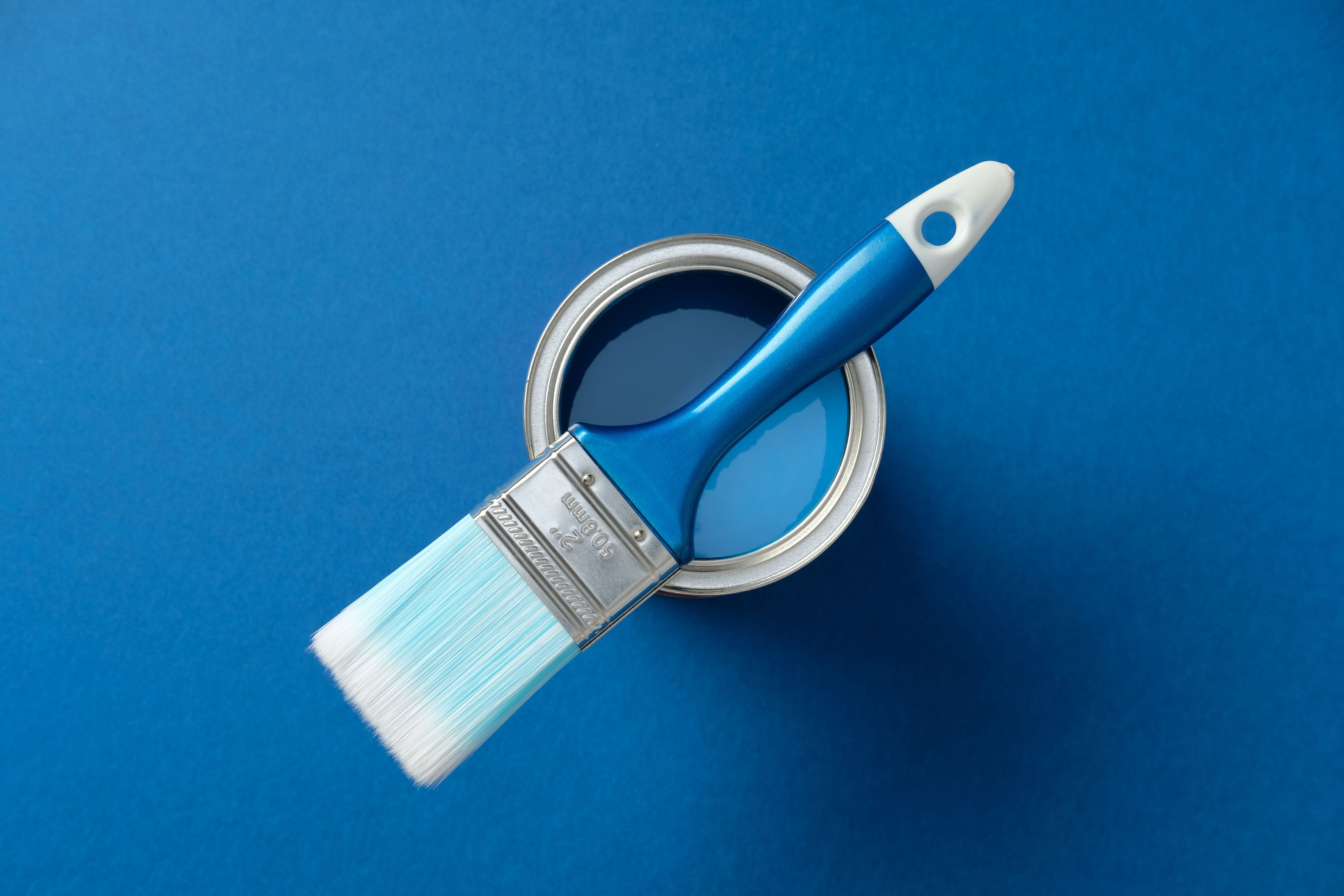
Some homeowners skip priming, thinking it's an unnecessary step. This myth can lead to poor paint adhesion and an uneven finish. Primer is essential for sealing the drywall, covering repairs, and ensuring the paint adheres properly.
The Importance of Priming
Priming helps in:
- Sealing porous surfaces
- Providing a uniform surface for paint
- Enhancing paint durability
Skipping this step might lead to peeling paint and additional work later on.
Conclusion
Understanding the realities of drywall repair and painting can save you time, money, and frustration. By debunking these common myths, you're better equipped to handle your next project efficiently. Whether you choose to DIY or hire a professional, knowing the facts will help you achieve the best results.