
Common Painting Myths Debunked: What Every Homeowner Should Know

Myth 1: All Paints Are the Same
One of the most common misconceptions homeowners have is that all paints are created equal. This couldn't be further from the truth. Paints differ significantly in terms of quality, durability, and finish. High-quality paints often provide better coverage, last longer, and resist fading. Investing in good quality paint can save you time and money in the long run.
The Importance of Choosing the Right Paint
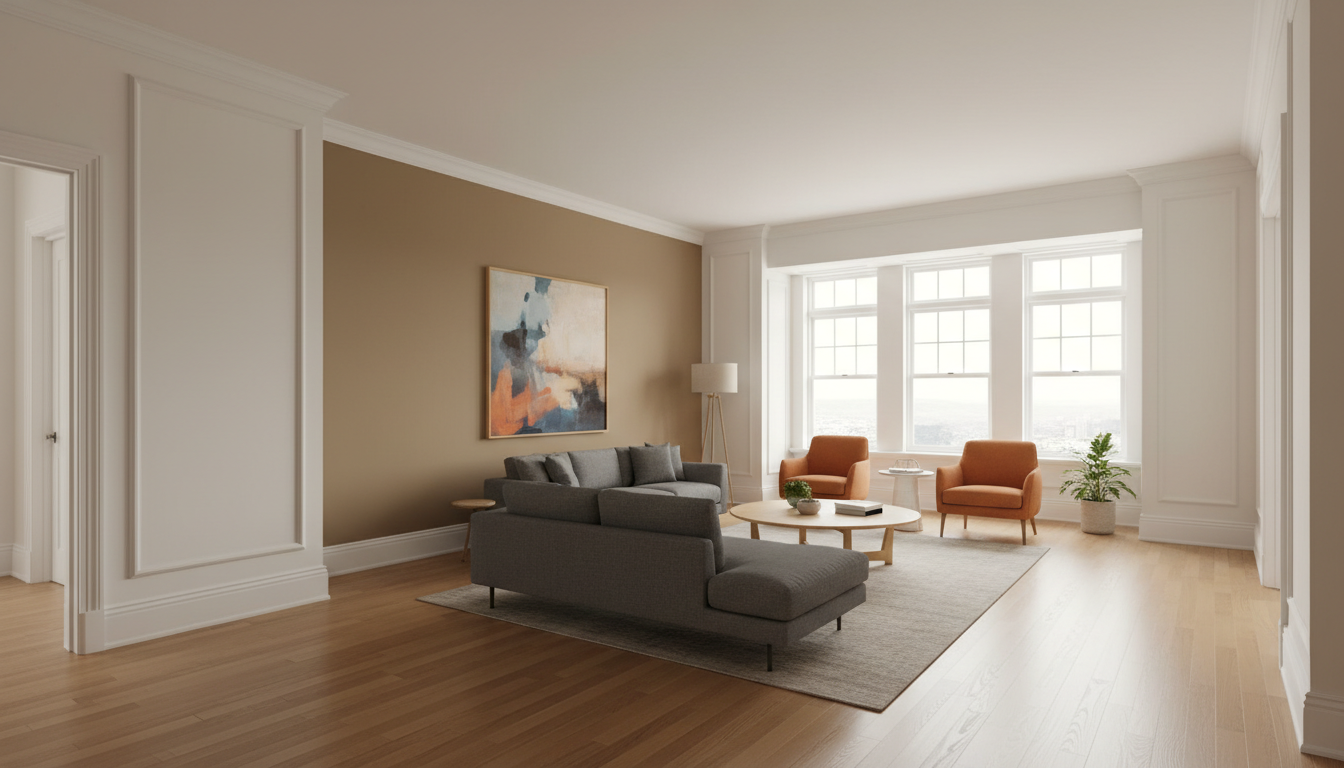
When selecting paint, consider the surface you're painting and the room's purpose. For instance, kitchens and bathrooms benefit from moisture-resistant paints, while living rooms may require paints that resist scuff marks. Understanding these differences can help you make informed decisions.
Myth 2: Dark Colors Make a Room Feel Smaller
It's a common belief that dark colors make a room feel cramped. However, when used strategically, dark colors can add depth and warmth, making a space feel more inviting. The key is to balance dark walls with lighter furnishings and ample lighting.

Creating Contrast with Colors
Using contrasting colors can highlight architectural features and add interest to a room. A dark accent wall, for example, can provide a stunning backdrop for artwork or a striking piece of furniture.
Myth 3: You Don’t Need Primer
Some homeowners skip the primer, thinking it's an unnecessary step. However, primer plays a crucial role in preparing surfaces for painting. It helps paint adhere better and provides a uniform base, especially on porous surfaces or when transitioning between drastically different colors.
When to Use Primer
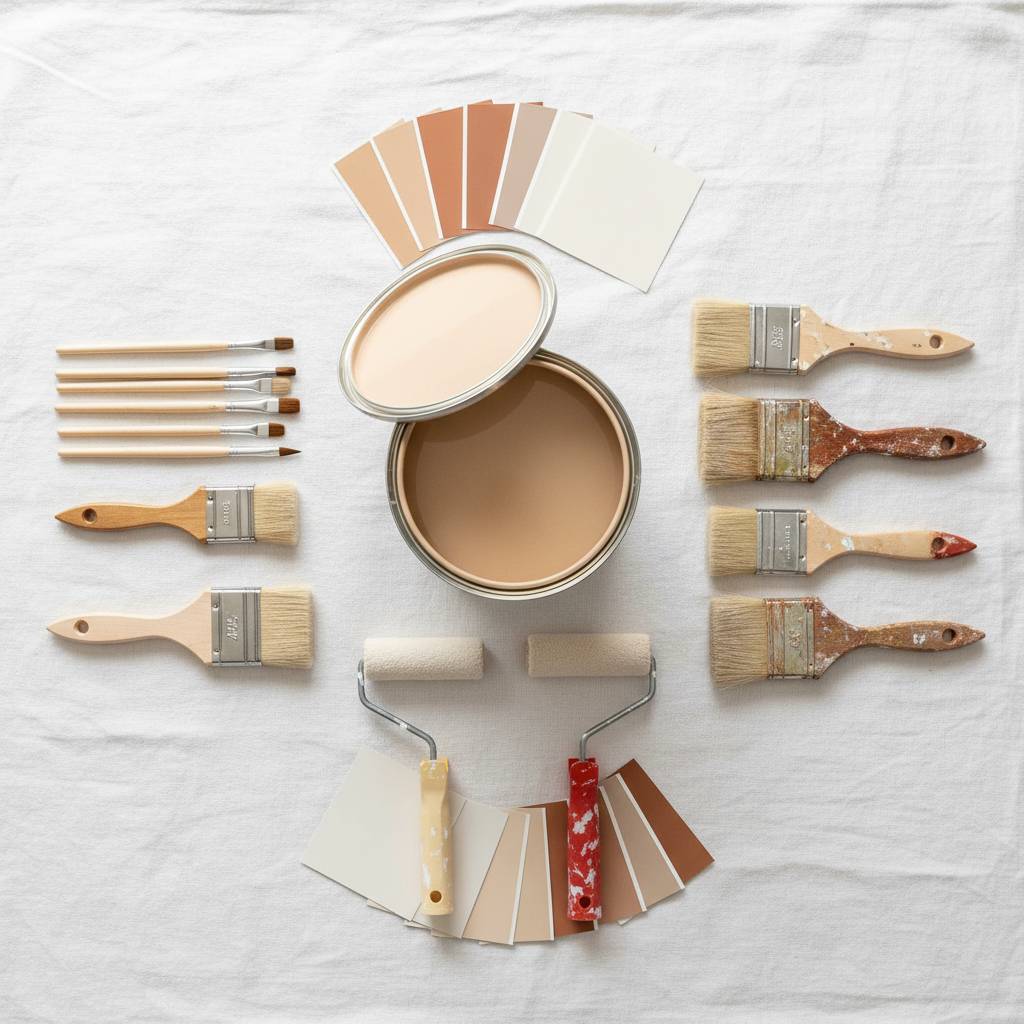
Primers are particularly important when dealing with new drywall, stained surfaces, or areas with noticeable repairs. Using a primer can enhance the final appearance and longevity of your paint job.
Myth 4: Paint Touch-Ups Are Easy
Many believe that touching up paint is a simple task, but achieving a seamless finish can be challenging. Variations in paint batches, application techniques, and even wall texture can affect the outcome.
Tips for Successful Touch-Ups
To improve your chances of a successful touch-up, use the same application method as the original paint job. Additionally, keep leftover paint stored properly for future touch-ups to ensure color consistency.