
Myth-Busting: Common Misconceptions About Exterior Painting

Introduction
Exterior painting is a task that many homeowners tackle to refresh their home’s curb appeal. However, numerous misconceptions can cloud the decision-making process. Let's debunk some of these common myths and provide clarity on what exterior painting truly entails.
Myth 1: Exterior Paint Only Serves Aesthetic Purposes
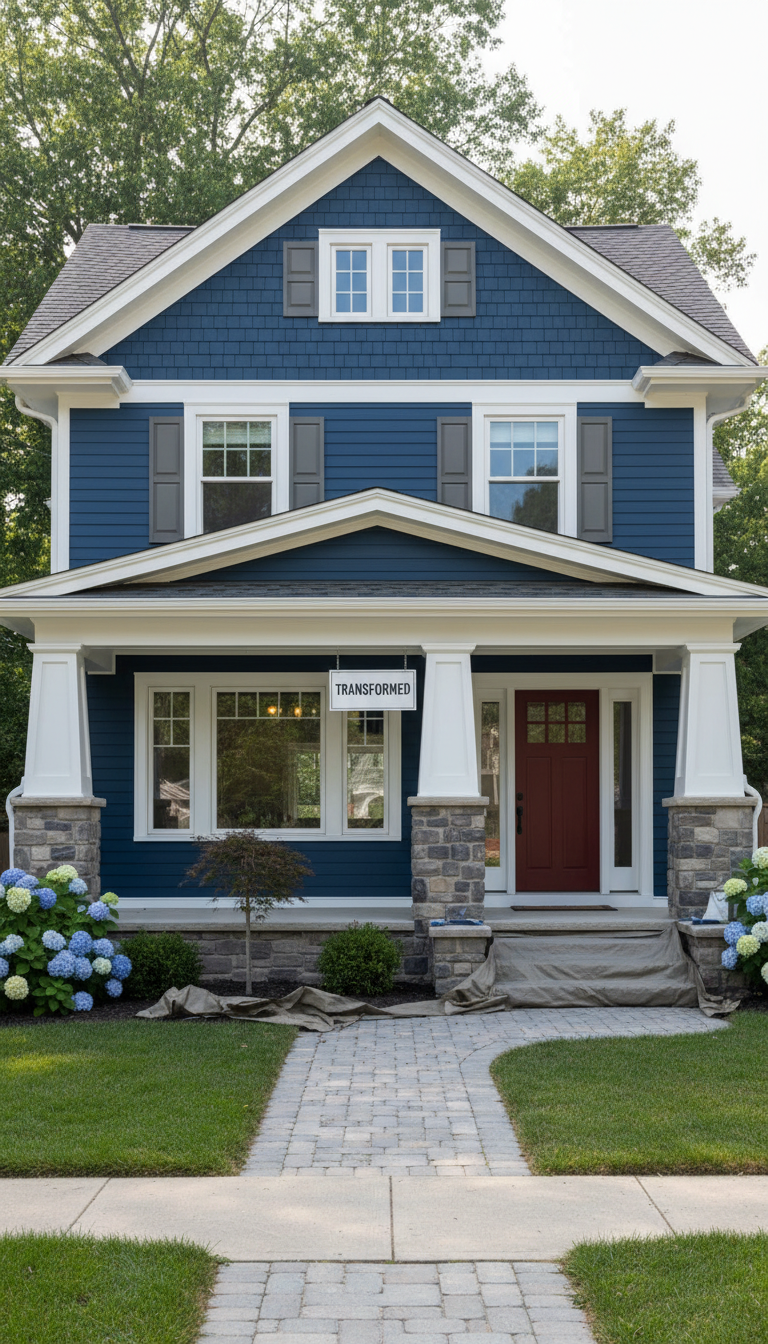
While it's true that a fresh coat of paint can greatly enhance a home's appearance, the benefits extend far beyond aesthetics. Exterior paint acts as a protective shield against the elements, safeguarding the surface from moisture, UV rays, and temperature fluctuations. This protective layer helps prevent rot, mold, and other damage.
The Role of Paint in Protection
A well-applied exterior paint job can also improve insulation and energy efficiency. By sealing small gaps and cracks, it helps maintain the indoor temperature, potentially reducing energy bills. Thus, painting is as much about maintenance as it is about looks.
Myth 2: Any Time of Year is Suitable for Painting
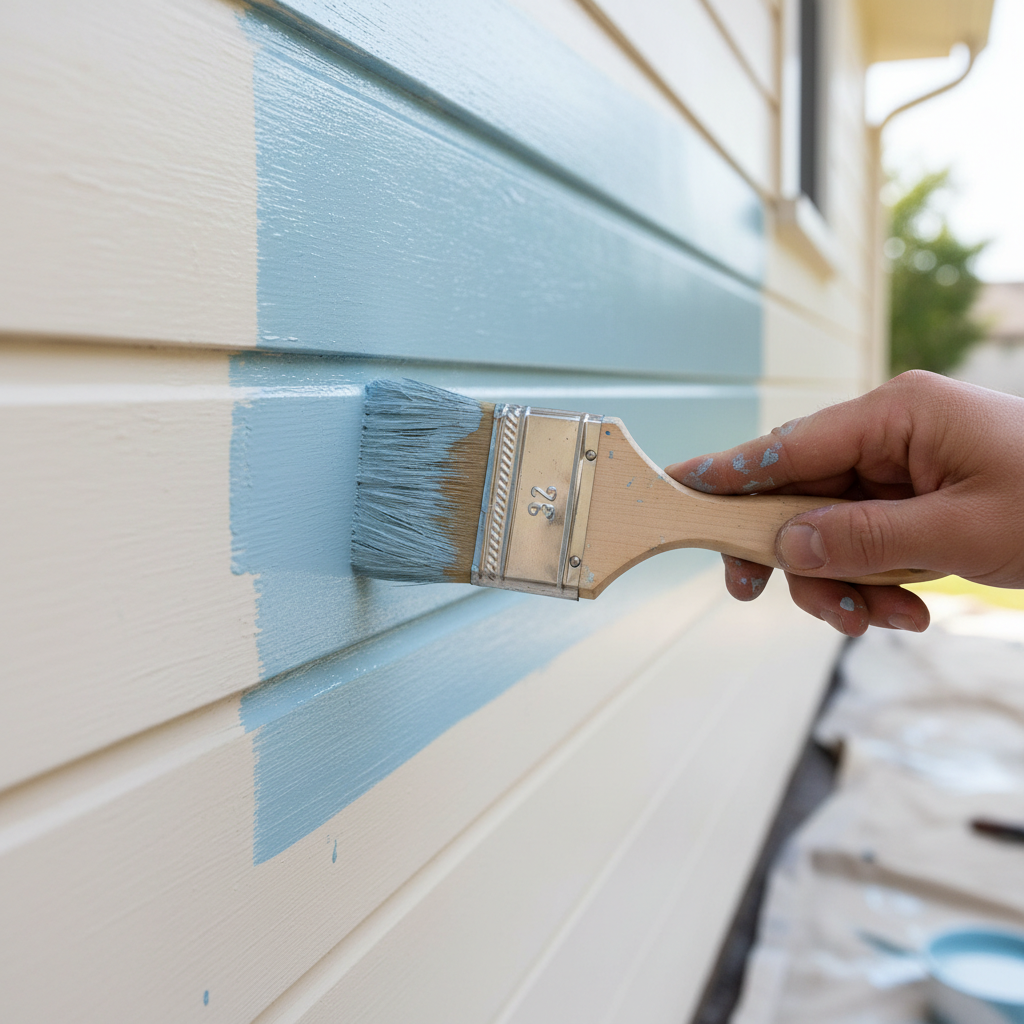
Timing is crucial when it comes to exterior painting. Many believe that it can be done any time of the year, but weather conditions play a significant role in the success of your project. Ideally, you want to paint during dry, mild weather to ensure the paint cures properly.
Ideal Painting Conditions
Spring and early fall are often considered the best times for exterior painting due to moderate temperatures and low humidity. Avoid painting during rainy or extremely hot weather, as these conditions can lead to peeling or uneven drying.
Myth 3: DIY Painting is Just as Effective
While DIY projects can be rewarding, exterior painting requires more than just a brush and a ladder. Professional painters bring expertise, proper tools, and high-quality materials that can make a significant difference in the outcome and longevity of the paint job.
Advantages of Hiring Professionals
Professional painters are skilled in surface preparation, which is crucial for a durable finish. They know how to handle difficult areas and use techniques that ensure even coverage. This expertise can save time and prevent costly mistakes down the line.
Myth 4: One Coat is Enough
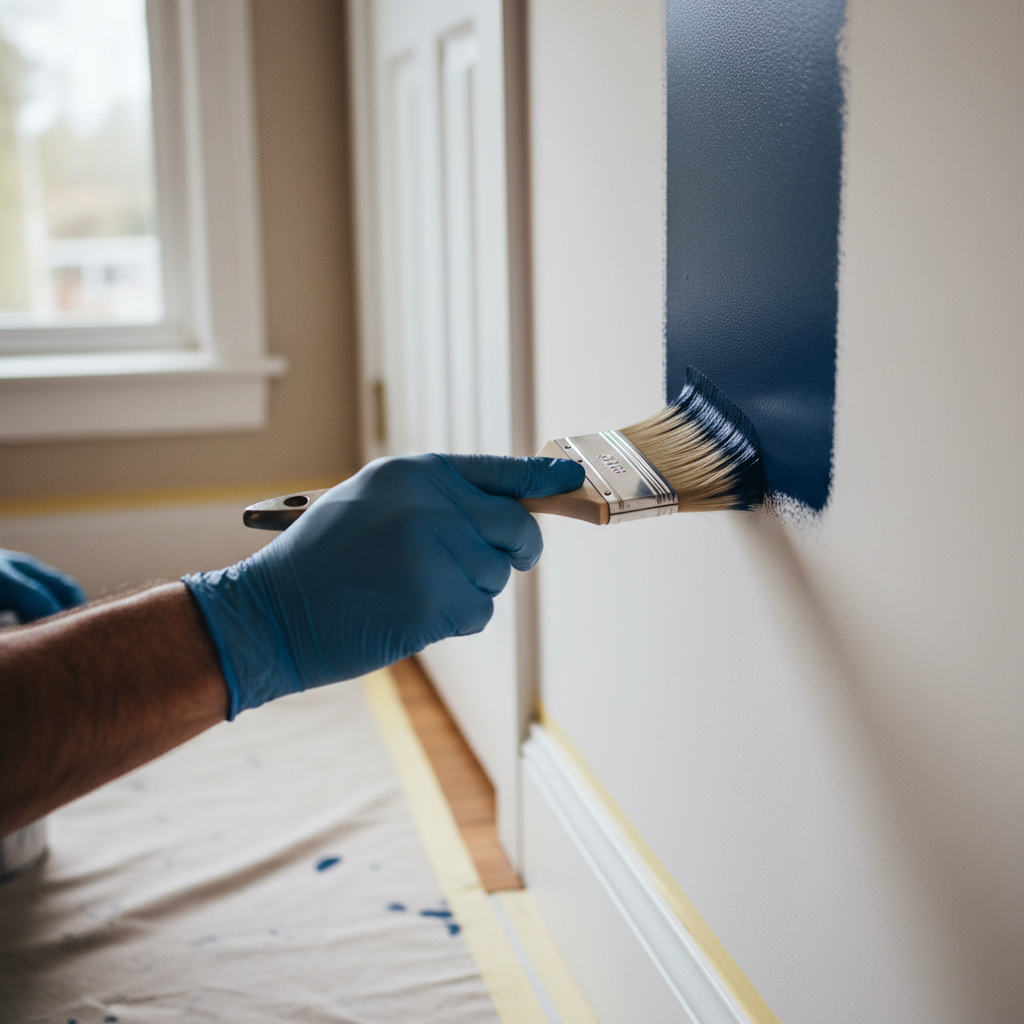
It might seem like a single coat of paint will suffice, especially if you’re covering a similar color. However, for the best results, applying at least two coats is recommended. This ensures a uniform appearance and enhances the protective qualities of the paint.
Layering for Durability
Multiple coats help in covering imperfections and provide a richer color. They also contribute to the longevity of the paint job, reducing the frequency of repainting and the associated costs over time.
Conclusion
Understanding the realities of exterior painting can lead to better decisions and more satisfying results. By debunking these myths, homeowners can approach their painting projects with confidence, ensuring their homes remain beautiful and protected for years to come.