
Transform Your Home: DIY Interior Painting Tips from Professionals

Why DIY Interior Painting?
Transforming your home can be as simple as adding a fresh coat of paint. DIY interior painting is not only cost-effective but also allows you to express your personal style. With the right techniques, you can achieve professional-looking results without hiring a pro.
Whether you're refreshing a single room or the entire house, understanding the basics of painting can make a significant difference. Read on for tips from professionals to help you achieve that perfect finish.
Choosing the Right Paint and Tools
Types of Paint
Choosing the right type of paint is crucial. For most interior walls, latex paint is a popular choice due to its durability and easy cleanup. However, if you're painting a surface that requires more durability, consider using oil-based paint.
Essential Tools
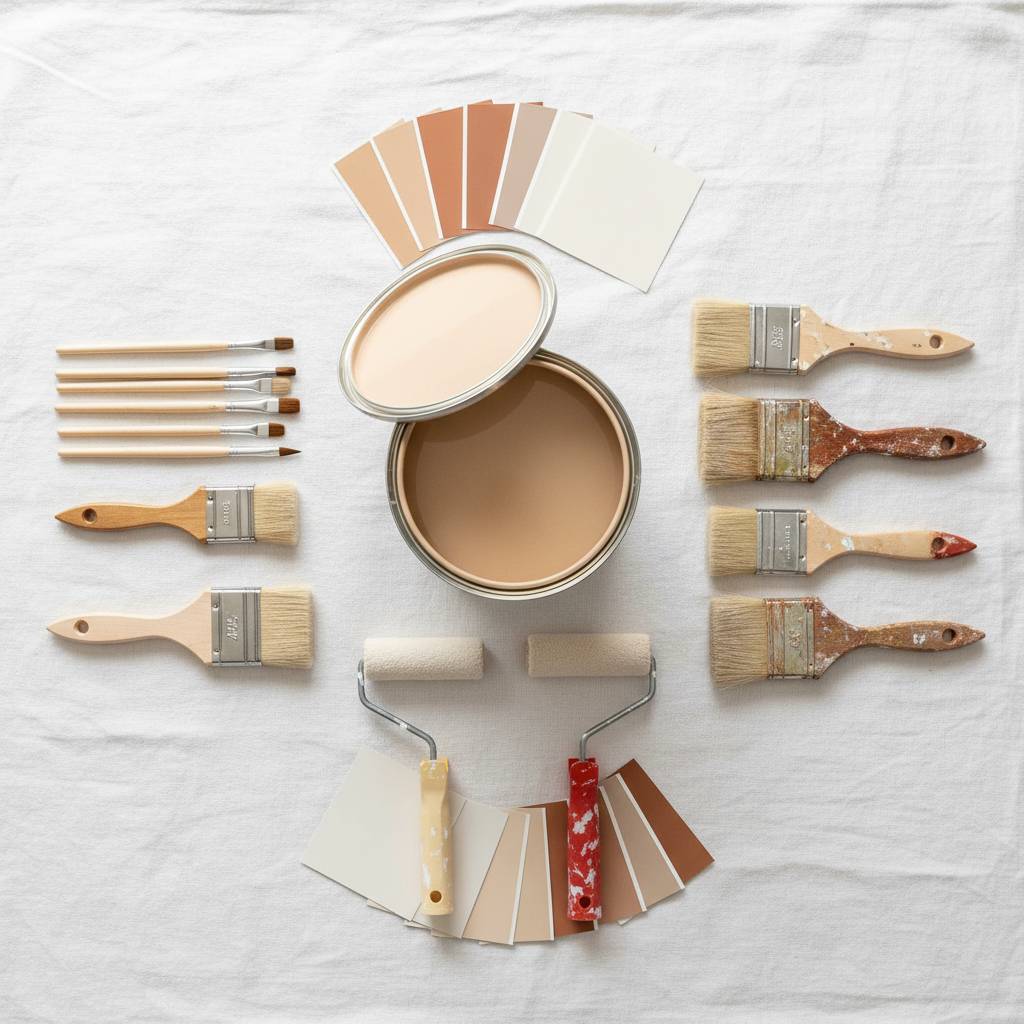
Having the right tools is half the battle. Here's a list of essentials:
- Quality paint brushes and rollers
- Painter's tape
- Drop cloths
- Paint trays
Preparing Your Space
Preparation is key to a successful painting project. Start by clearing the room of furniture or covering items with drop cloths. Clean the walls to remove any dust or grease, as this will help the paint adhere better.
Next, use painter's tape to protect trim, windows, and other areas you don't want to paint. Taking the time to prepare will ensure clean lines and a professional finish.
Mastering the Technique
Cutting In
Start by "cutting in," which means painting the edges and corners of the walls with a brush before using a roller. This technique helps create a clean edge and prevents roller marks.
Using a Roller
Once you've cut in, use a roller for the larger areas. Work in small sections and use a "W" pattern to ensure even coverage. Apply multiple thin coats rather than one thick one for a smooth finish.
Finishing Touches
After the paint has dried, carefully remove the painter's tape. Touch up any areas where paint may have seeped through. Inspect your work in different lighting to ensure consistent coverage.
Finally, clean your brushes and rollers promptly to maintain their quality for future projects. A well-maintained toolset can make your next painting endeavor even easier.
Conclusion
DIY interior painting is a rewarding project that can transform the look and feel of your home. By following these professional tips, you'll not only save money but also enjoy the satisfaction of creating a space that reflects your personal style.
Remember, patience and preparation are your best tools. Happy painting!